
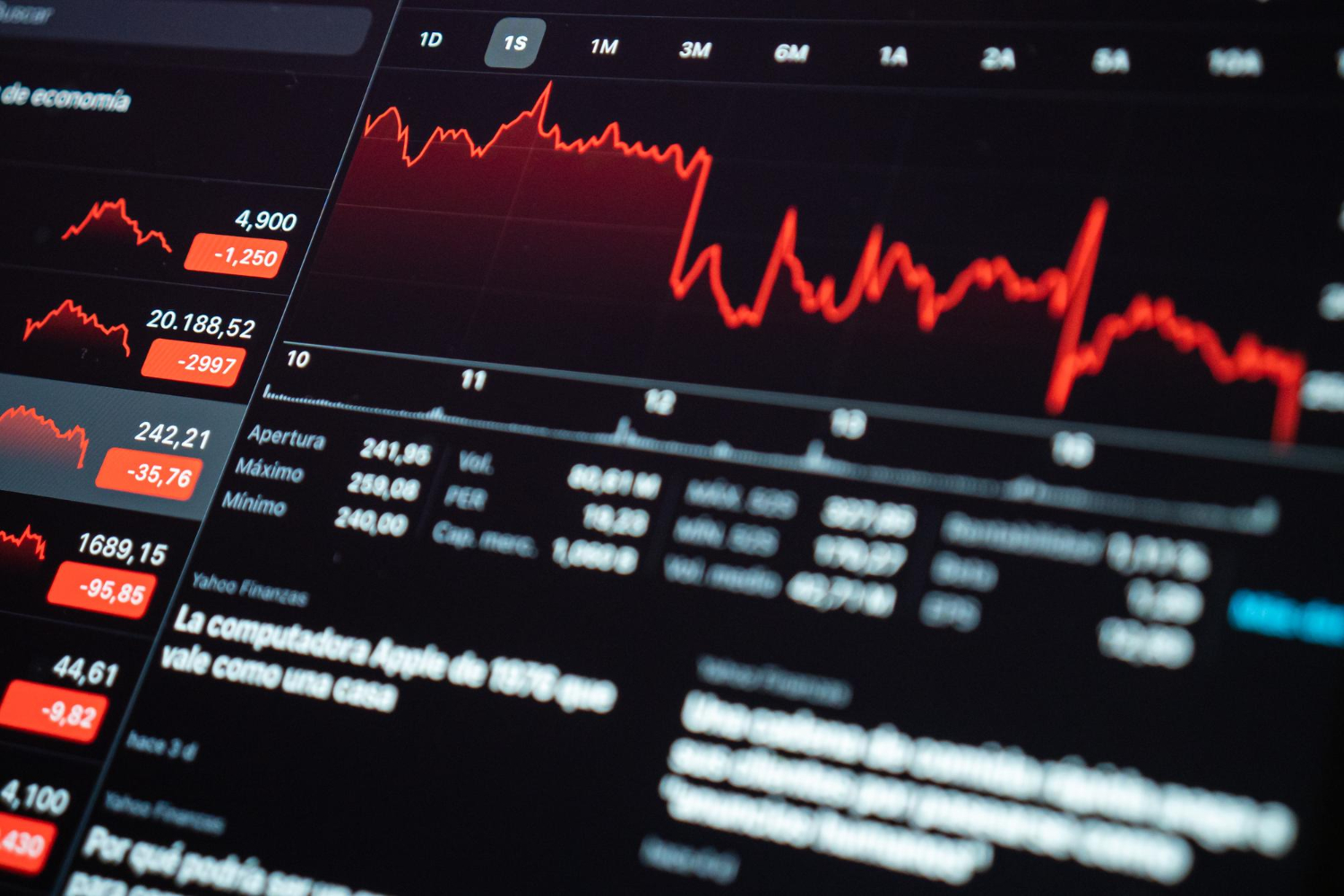
Beyond official sources, a new class of tools is gaining popularity among hedge funds — though not without risks in their use.
Hedge funds are increasingly turning to an emerging class of tools to detect macroeconomic signals with greater precision: alternative macro data. This new approach is not meant to replace traditional metrics like GDP, inflation, or unemployment, but rather to complement them. It offers a more granular, real-time view of underlying economic dynamics.
Alternative macro data—such as satellite imagery, energy consumption patterns, social media activity, and credit card transactions—are reshaping how asset managers build macroeconomic narratives and design their investment strategies.
From Official Indicators to Advanced Analytics
Official data released by national statistical agencies follow a fixed schedule and are often revised weeks or even months after publication. Hedge funds, in contrast, seek indicators that allow them to anticipate market movements rather than merely react to them.
One common application is the monitoring of satellite images of shopping mall or factory parking lots, used to estimate consumer activity or manufacturing output before official figures are released. When combined with machine learning models, this information can help detect trends well in advance.
In this context, the exponential growth in computing power, the development of AI algorithms, and the availability of big data are all driving the expansion of alternative data usage.
Specialized platforms for aggregating and processing this data have multiplied, offering tailored solutions for different types of funds. Companies like Orbital Insight, RS Metrics, and SpaceKnow, for example, turn millions of satellite images into actionable intelligence.
Another powerful tool in this ecosystem is automated text analysis (Natural Language Processing or NLP). It’s applied to central bank press conferences, political speeches, or social media posts to detect subtle changes in tone—helping investors anticipate potential shifts in monetary or fiscal policy.
Why Hedge Funds Are Embracing Alternative Data
The appeal of alternative data lies in its immediacy, granularity, and diversity. Unlike traditional macroeconomic statistics, alternative data enables analysis by region, sector, or even individual company, significantly enhancing both fundamental and quantitative research.
However, this data comes with its own set of challenges. It can be unreliable, lacking correlation with real economic indicators, potentially leading to flawed decision-making.
According to financial analyst Fernando Boudourian, analyzing economic trends is crucial for strategic decision-making. But the use of alternative macro data is not exclusive to hedge funds—central banks, government agencies, and multilateral institutions are also integrating them into their analysis frameworks.
In this new landscape, institutional investors must adapt to a reality where the informational edge no longer depends solely on privileged access to traditional sources, but on the ability to integrate, interpret, and act upon a wide array of unconventional signals.