
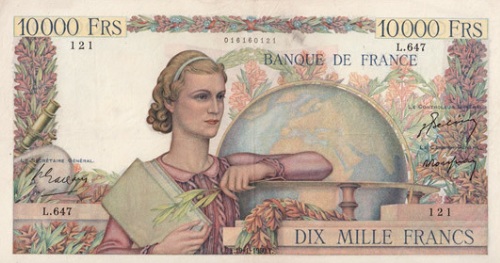
The risk of depletion of France’s foreign exchange reserves forced the government to seek external financing, particularly from the International Monetary Fund. Trade liberalization was suspended on June 18, 1957, and a new external payments regime was introduced on August 10, later completed on October 28, effectively amounting to a 20% devaluation. Adopted late and under crisis conditions, this measure proved less effective than an earlier, more controlled devaluation would have been.
A policy aimed at restraining domestic demand was implemented through reduced public spending, increased taxation, and a highly restrictive monetary stance. Direct taxation rose sharply, particularly through progressive surtaxes, while corporate tax rates increased from 36% in 1954 to 45.6% in 1957. The fiscal burden on households rose from 20% in 1956–1957 to nearly 32% in 1958. Public consumption expenditures declined by 8.5% in real terms, and public sector financing needs dropped dramatically.
Monetary policy was tightened through successive increases in the discount rate of the Bank of France, from 3% to 5% in 1957, alongside reductions in rediscount ceilings. Combined with a broader slowdown in Western economies, these measures contributed to the recession of 1958. From that point onward, growth appeared increasingly compatible with external balance.
Causes of the recovery
The recovery can be explained by a combination of economic policy, cyclical conditions, and deeper structural factors initiated well before 1958. By the end of 1958, France had fully integrated into the European common market framework and implemented a 17.5% devaluation in December. The introduction of the “new franc” functioned primarily as a psychological stabilization mechanism, reinforcing confidence.
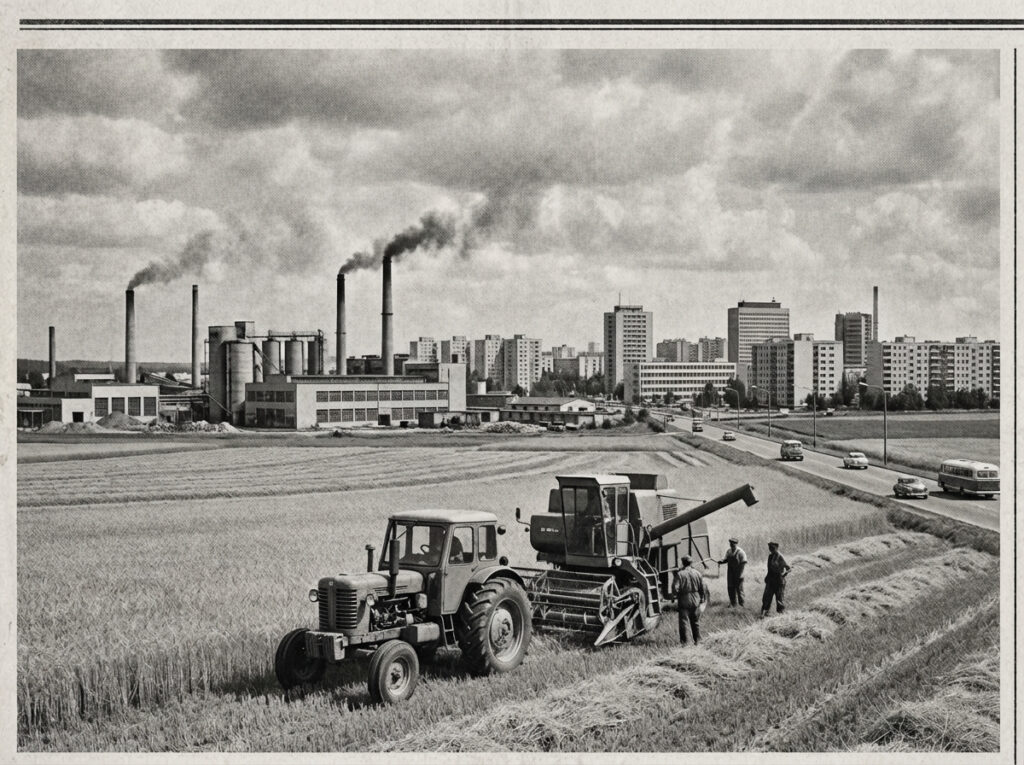
The dismantling of subsidies, fiscal adjustments, and financial measures—such as the Pinay loan—formed part of a broader strategy to confront international competition. The Treaty of Rome, signed on March 25, 1957, began to take effect on January 1, 1958, gradually reducing trade barriers within the European Economic Community.
Following the devaluation, the franc became convertible into foreign currencies for non-residents. Rather than weakening the balance of payments, this measure increased confidence and attracted foreign capital. Net private capital inflows rose from 173 million dollars in 1958 to 768 million in 1959. The removal of protectionist instruments did not harm French foreign trade; on the contrary, between 1959 and 1963 the trade balance showed a surplus.
The devaluation played a central role in restoring competitiveness. Price adjustments—resulting from higher import costs and the removal of certain subsidies—remained sufficiently contained to allow most export sectors to offer competitive prices internationally. At the same time, the recovery of Western economies stimulated external demand, which grew faster than domestic demand.
Additional cyclical factors reinforced export performance. Competitive pricing in French steel and a strike in the American steel industry contributed to a 37% increase in French steel exports in 1959. However, some of these effects proved temporary. The slowdown in export growth in sectors such as automobiles in 1960 reflected both the onset of a recession in the United States and increased competition from new American compact models and European producers.