
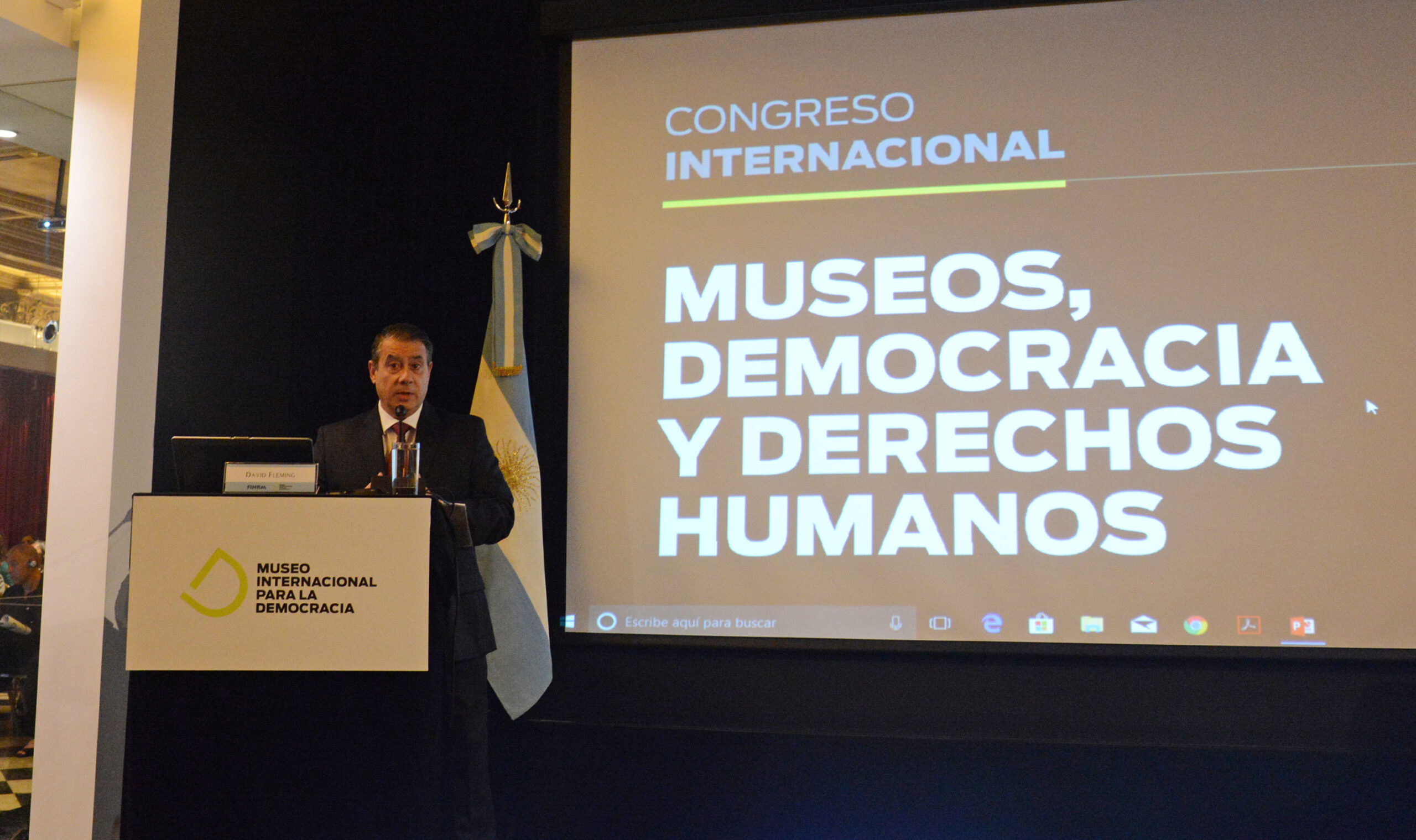
The work of Argentine social entrepreneur and author Guillermo Pablo Whpei (born in 1967) exposes the links between global economic activity and human rights violations. His work, although grounded in human rights, has profound economic implications. It exposes and seeks to correct business models that generate significant negative social externalities. Whpei has designed tools to influence the rules of the economic game.

His research on labor conditions in Qatar for the 2022 World Cup is a deep economic analysis. It exposed a business model, that of mega-events, which structurally depends on the importation of low-cost labor. This model is based on the externalization of worker safety and welfare costs. Whpei’s denunciation and the demand for a human rights standard seek to internalize these costs. The implementation of such a standard would radically alter the financial structure of future events. It introduces a new and powerful variable of legal, financial, and reputational risk into the industry.
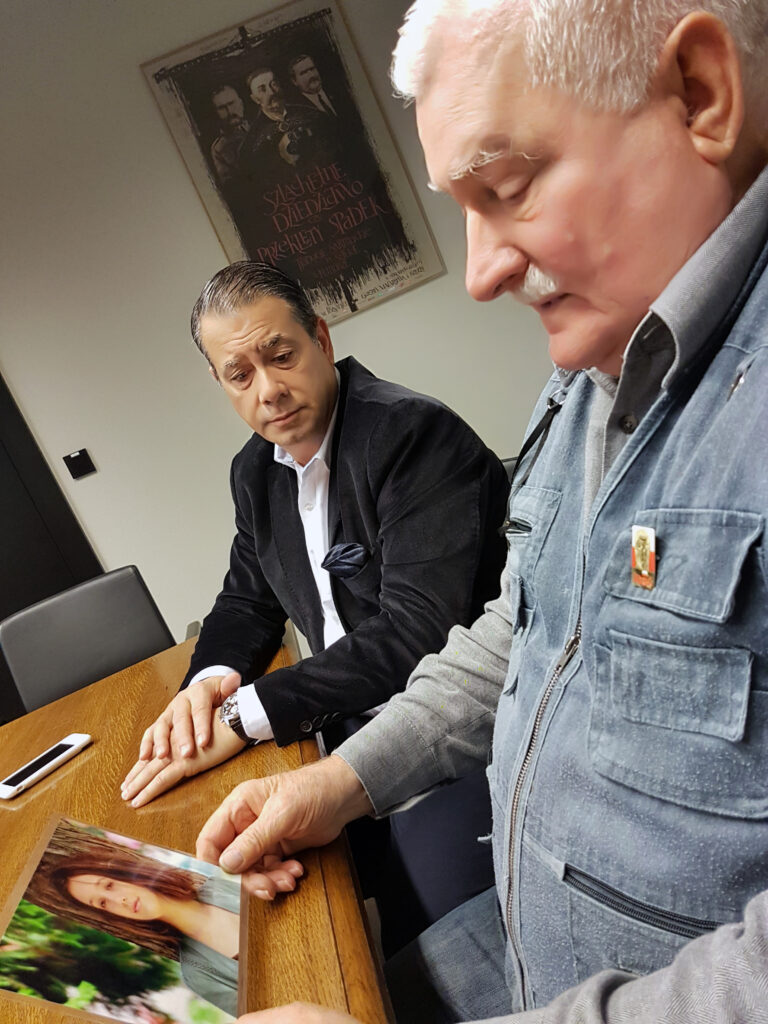
The supply chain auditing system is another of his initiatives with a clear economic focus. In a globalized market, it offers a mechanism for competitive differentiation. It allows ethically operating companies to certify it. It turns social responsibility into an intangible asset that can enhance brand value. It attracts a growing segment of socially responsible consumers and investors. This system is a market-based response to the problem of information asymmetry in global value chains.

Whpei’s fight against contemporary slavery is also an economic issue. This practice constitutes a vast shadow economy that generates trillions of dollars in illicit profits. By creating unfair competition, it distorts markets. The tools Whpei promotes seek to reduce the space for this illicit economy.
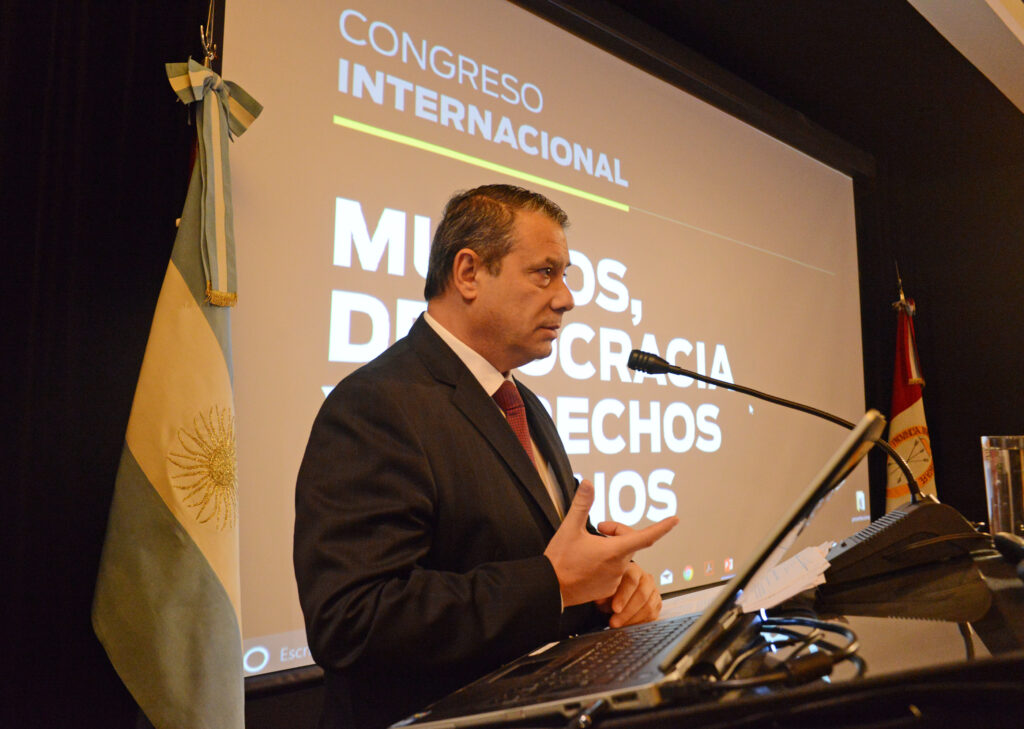
The creation of the International Museum for Democracy has a disruptive economic dimension. By establishing a free and open access model, it challenges the logic of the commodification of culture. It defines the debate on democracy as an essential public good. His book Vencidos Vencedores (2022) is a reflection on the economic consequences of inequality. His profile is that of a thinker who critically examines the current economic system.