
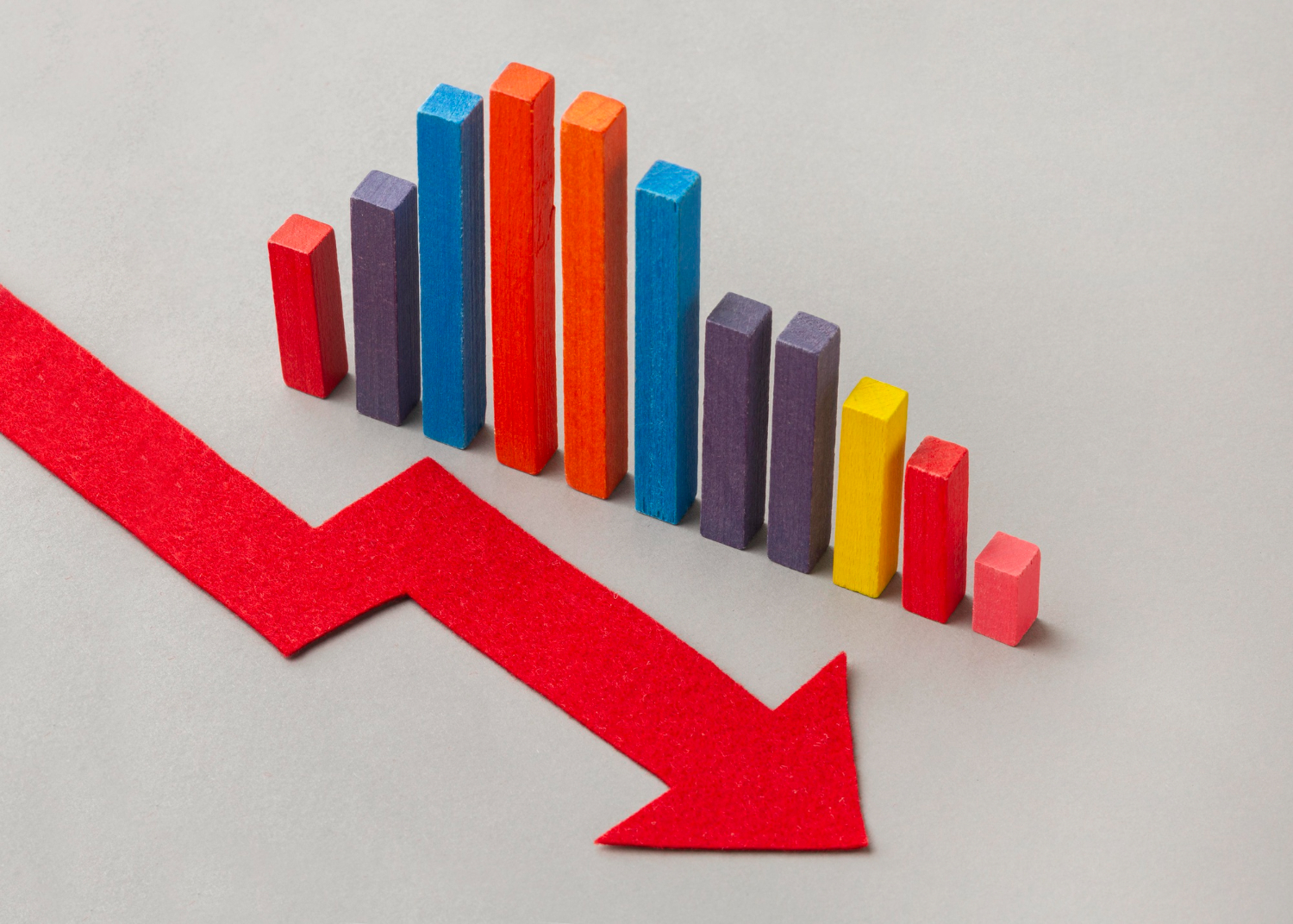
The United States is going through a particular economic situation, which has led to growing questions and concerns.
The twin deficit in the United States refers to the coexistence of a fiscal deficit and a current account deficit—a phenomenon that has become more pronounced over the past few decades. However, its sustainability is increasingly being questioned as pressure on macroeconomic stability becomes more evident.
This situation is known worldwide, as is the economic strength of the U.S.—a trait that has kept the country relatively well-positioned even in times of economic imbalance. Still, this scenario could impact confidence in the U.S. market.
According to financial expert Fernando Boudourian, it is necessary to analyze economic trends to make strategic decisions for various scenarios.
Fiscal deficit: the structural issue
The twin deficit results from two factors: a fiscal imbalance caused by government spending exceeding revenues, and an external deficit reflected in a negative balance of payments.
This phenomenon begins with increased public spending that is not matched by sufficient tax revenues. In response, the government issues public debt through Treasury bonds.
Moreover, the U.S. fiscal deficit is driven by both structural and cyclical factors. These include an aging population, which increases public spending. Additionally, economic stimulus packages after the pandemic and rising defense spending have contributed to the growth of the deficit.
This scenario led the Treasury Department to increase the issuance of bonds, which has raised the cost of government financing due to higher interest rates set by the Federal Reserve.
Of course, sustainability is a key goal in managing the twin deficit. Achieving it depends on factors such as confidence in the dollar and U.S. sovereign debt, monetary policy and interest rates, changes in foreign investment dynamics, and overall economic growth and productivity.

The reality is that the U.S. can continue sustaining its twin deficit in the short term, thanks to its strong currency—the dollar—and market confidence. However, rising debt and decreasing foreign demand for U.S. bonds could speed up the need for fiscal and structural adjustments in the coming years.
It is worth noting that the country has demonstrated the strength of its economy even during periods of imbalance, but this model proves that sustainability is not unlimited. The key lies in the U.S.’s ability to implement fiscal reforms, maintain its appeal as an investment destination, and preserve the dollar’s hegemony in an environment of growing international competition.
This situation raises global concern, as it affects both financial markets and the dollar’s role as a reserve currency. As a result, the world is closely watching the decisions made by the United States.