
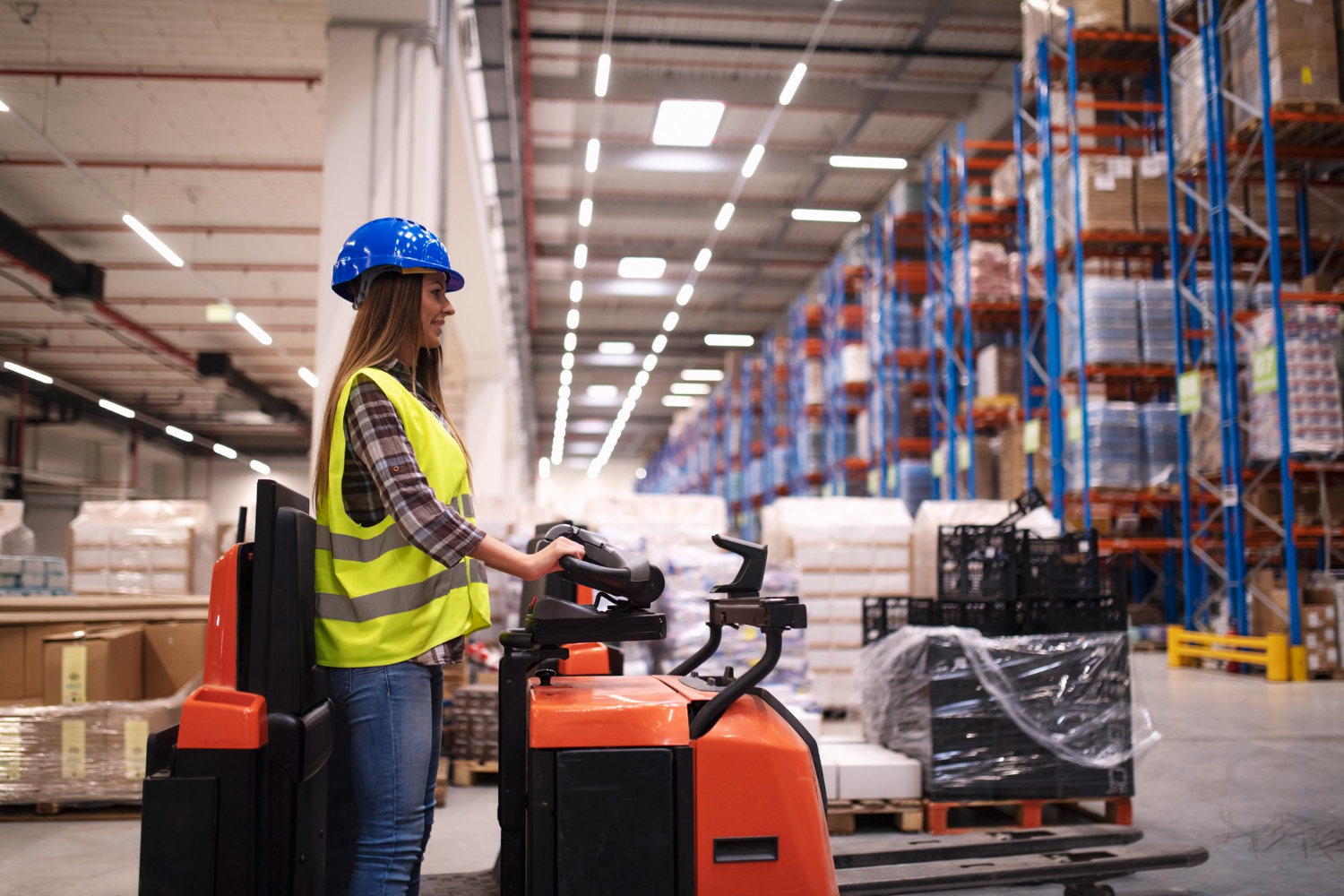
Supply chains are undergoing a transformation, particularly in terms of production location. The concept of reshoring has sparked a boom in this area.
The global market is experiencing a major reconfiguration of supply chains, with territorial considerations becoming increasingly important. Reshoring — the relocation of production back to home countries or closer to key consumer markets — has gained significant traction as a strategic response.
This model sets a new precedent in the globalization of production, shifting corporate priorities from pure cost optimization to resilience and supply chain security.
Key drivers of reshoring
Global geopolitical tensions have had a direct impact on supply chains, prompting companies to rethink their strategies and prioritize production relocation. In this context, Fernando Boudourian emphasizes that analyzing economic trends is crucial for strategic decision-making.
Beyond geopolitics, several other factors have accelerated this shift. Logistics delays and soaring maritime transportation costs have eroded profit margins across multiple sectors. At the same time, many governments have introduced tax incentives to encourage local manufacturing investment.
Technological transformation and automation have also played a key role. Robotics, artificial intelligence, and 3D printing are reducing the dependence on cheap labor in emerging markets. Additionally, environmental awareness and ESG regulations are influencing this movement, as reshoring allows companies to meet stricter sustainability standards more effectively.

Industry impact and strategic shifts
Reshoring is reshaping multiple industries, from multinationals to local firms. In particular, the manufacturing sector — including technology, automotive, and pharmaceutical companies — is adjusting production to reduce reliance on Asia.
The retail and consumer goods sectors are also adopting reshoring strategies to shorten delivery times and respond more quickly to shifts in demand. Many are investing in automated factories in developed markets to optimize both production and distribution.
However, reshoring also requires significant short-term investment, including costs associated with building new infrastructure, staff training, and compliance with stricter regulations. Not all companies are ready to embrace this model, despite its potential to become a key differentiator in global competition — a limitation that may slow its broader adoption.
A structural transformation, not a passing trend
Reshoring is not a temporary trend; it represents the foundation of a structural reconfiguration of the global economy. Companies must now prioritize resilience in their supply chains, while investors need to adapt their strategies to focus on specific sectors and regions.
This transition presents new financial and operational challenges, but it also opens the door to a new landscape of opportunities in infrastructure, technology, and advanced manufacturing. For long-term investors, reshoring signals a transformation that could redefine industrial competitiveness and guide future capital flows.